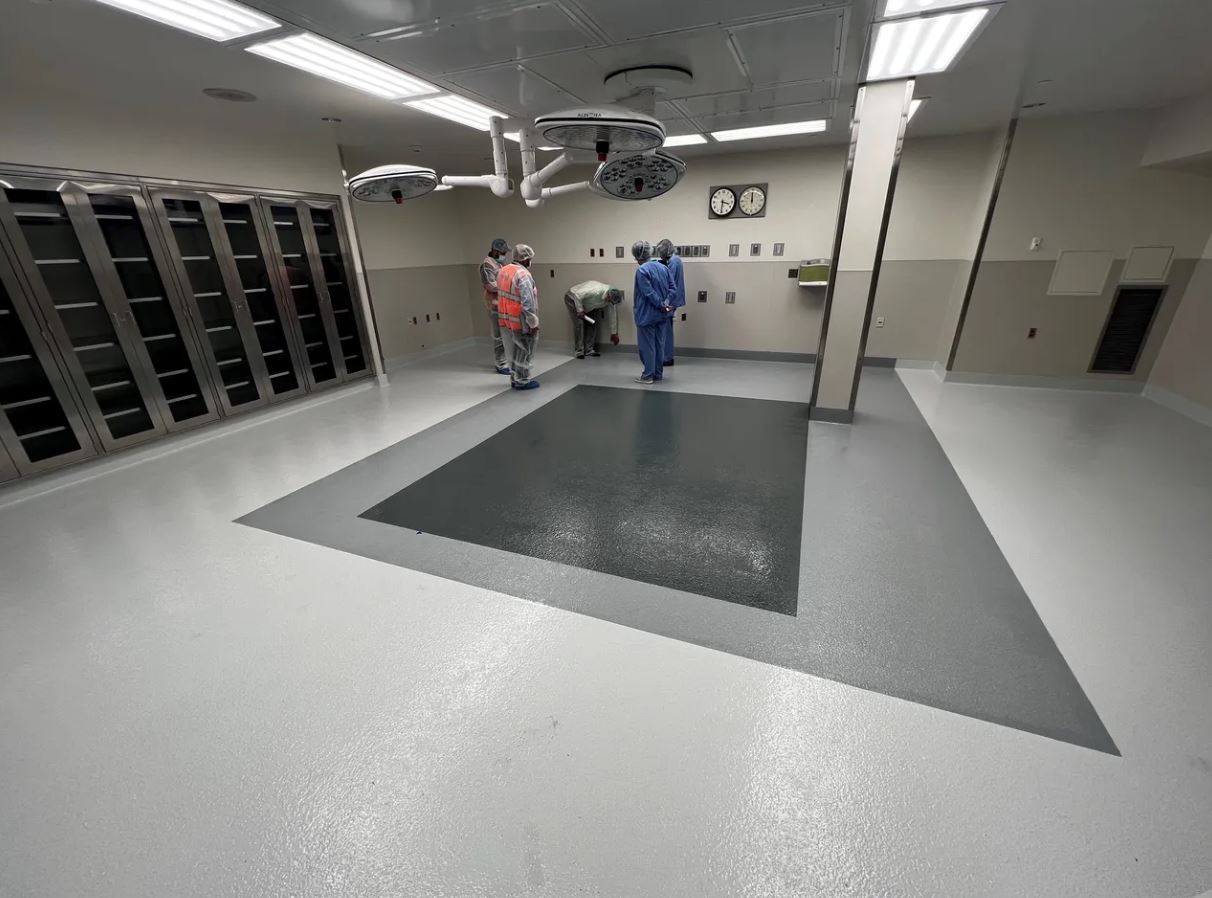
Garage floor coatings, like epoxy, greatly improve your garage. They protect the concrete, look good, and clean easily. They are a real benefit for homeowners, property managers, and businesses that use their garages a lot. But moisture can ruin epoxy floors.
If too much moisture rises from the concrete, the epoxy will not bond well. Looking for a reliable Flooring Contractor in Denver residents depend on for expert floor repair.. Imagine sticking tape to a wet surface. It will not hold. This causes bubbling, peeling, and a failed epoxy floor. No one wants that after spending time and money on the project.
That is where moisture testing helps. It is key before any epoxy goes down. These simple tests check the moisture vapor emission rate of the concrete. Methods include calcium chloride tests or electronic meters. The aim is to see if the concrete is dry enough for the epoxy.
Skipping this step is risky. You might get lucky, but you will likely end up with a failed floor and a costly fix. Moisture testing is cheap protection. It makes sure your epoxy floor lasts for years. It is not just an extra sale. It is needed for a strong, lasting finish.
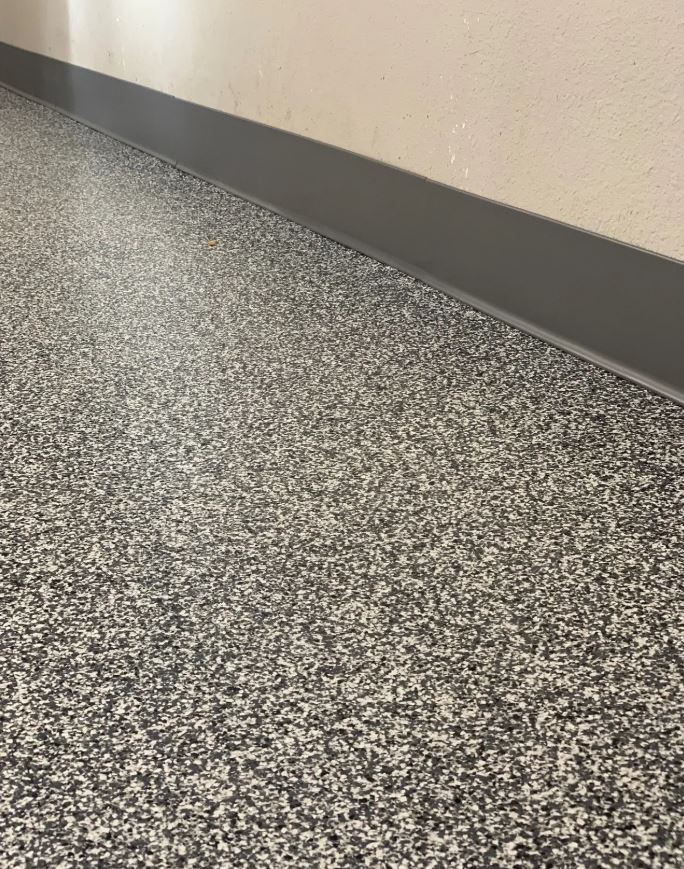
Garage floors seem solid, but concrete is porous and can hold moisture. Applying epoxy over damp concrete causes problems. Moisture trapped beneath the epoxy creates vapor pressure. This can cause bubbling and peeling. It can also cause adhesion failure. Your epoxy coating won't stick and will lift off the floor.
Where does this moisture come from? Hydrostatic pressure is a big factor. Groundwater pushes up through the concrete slab. Think of a sponge on a wet surface. Poor drainage around your property can help, as can spills and leaks. Even if the surface looks dry, moisture can lurk below. It's a sneaky problem. That's why moisture testing matters before you apply epoxy. Ignoring this step wastes money on materials. You'll ruin your epoxy floor and have to start over.
Skipping moisture testing before you apply garage epoxy is risky. Concrete is porous, so it can absorb ground moisture. If you seal in that moisture with epoxy, bubbling and peeling can occur. Ultimately, your epoxy floor could fail. No one wants their investment ruined by something preventable. Moisture can cause epoxy to lift from the concrete, creating an unsightly surface. Save yourself the trouble and the cost of redoing the work.
Epoxy coatings should last for years, but only if you apply them correctly. Moisture under the epoxy weakens its bond with the concrete. This can shorten your floor's life. Foot traffic, vehicles, and dropped tools will worsen the problem, leading to cracks. A moisture test can reassure you that your epoxy floor will last.
You can test concrete moisture in a few ways. One way involves a calcium chloride test, which measures moisture vapor from the concrete. Another option is an electronic moisture meter, which quickly reads the moisture content. Pros often use combined tests for accurate results. Proper surface preparation, including fixing moisture issues, matters for successful epoxy work.
Moisture testing adds a small initial cost, but it costs less than fixing a failed epoxy floor. Ignoring moisture can cause damage that requires removing and reapplying the epoxy. This doubles material costs and adds to labor expenses. Think of moisture testing as insurance for your garage floor.
Trapped moisture can affect how your epoxy floor looks. Bubbles and peeling create an uneven look that detracts from the overall appearance. A good epoxy floor improves your property's value and provides a clean surface. Don't let moisture ruin the smooth finish you want. A dry concrete slab helps you achieve that look.
Assess Garage Coating Longevity Through 10-20 Year Benchmarks
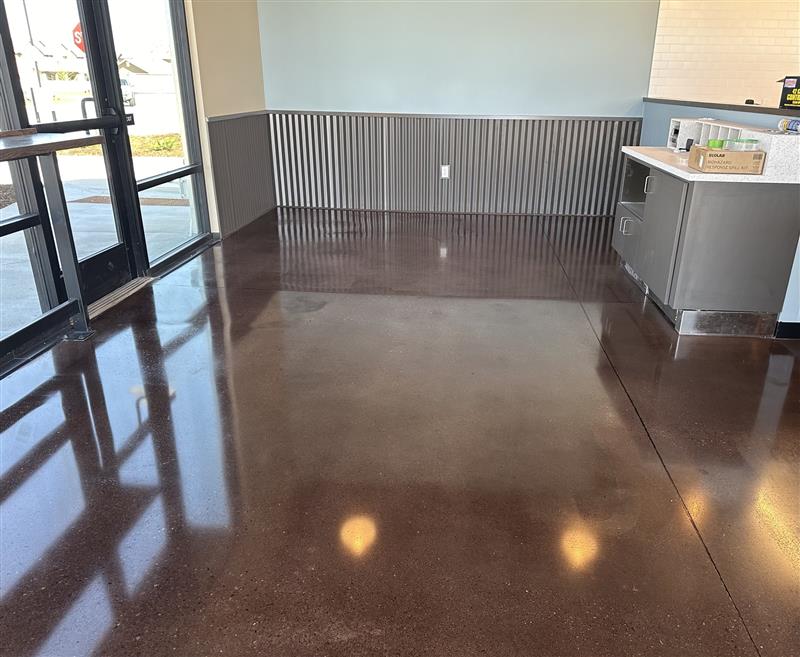
When testing for moisture, you have two choices: DIY kits or hiring a professional. DIY kits cost less at first. You can find them at most hardware stores, follow the directions, and get a reading yourself.
But consider accuracy. DIY kits can be tricky. Room temperature or how well you follow the directions can skew the results. If you lack experience, you might misread what the numbers mean for your garage floor.
Professional testing costs more. But you pay for know-how. Professionals use calibrated tools and knowledge to get dependable readings. They can also check the overall moisture in your garage, noting things you might miss. This matters because if moisture levels are too high and you apply the epoxy, you could see bubbles, peeling, or coating failure.
It comes down to a trade. Are you okay with redoing the work if the DIY test is wrong? Or do you want the peace of mind from a professional check, knowing you're starting your garage floor coating project on solid, dry ground?
Before you apply epoxy, check the moisture levels in your garage floor. Skipping this step can cause the epoxy to fail. It might bubble, peel, and look bad. There are a few ways to test.
First, there's the Calcium Chloride Test (ASTM F1869). This is a common test. You glue a dish of calcium chloride to the concrete, seal it, and wait 60 to 72 hours. The calcium chloride absorbs moisture from the concrete. Then, you weigh the dish again. The weight difference shows how much moisture the concrete releases. It’s not too expensive, but it takes a few days for results.
Next is the Relative Humidity (RH) Probe Test (ASTM F2170). This means drilling small holes into the concrete and using a probe to measure the humidity inside. This is more precise than the calcium chloride test, but it needs special tools and someone who knows how to use them. The results are fast.
Lastly, there are quick tests. These aren't as exact but can give you a general idea. For example, tape a plastic sheet to the floor and see if water forms under it. Or check if the concrete is getting darker. These aren't very dependable, but they can signal a problem. If these tests show lots of moisture, don't put down epoxy. Fix the moisture problem first, maybe with a vapor barrier. It's worth the work to do it right.
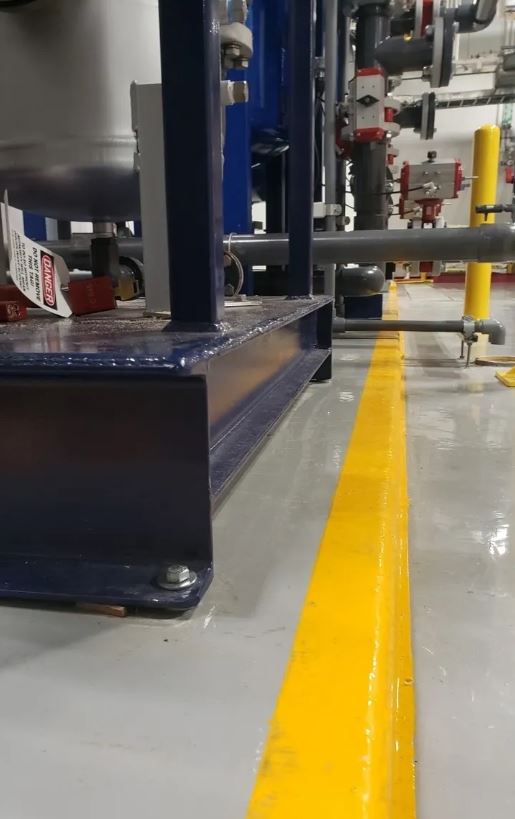
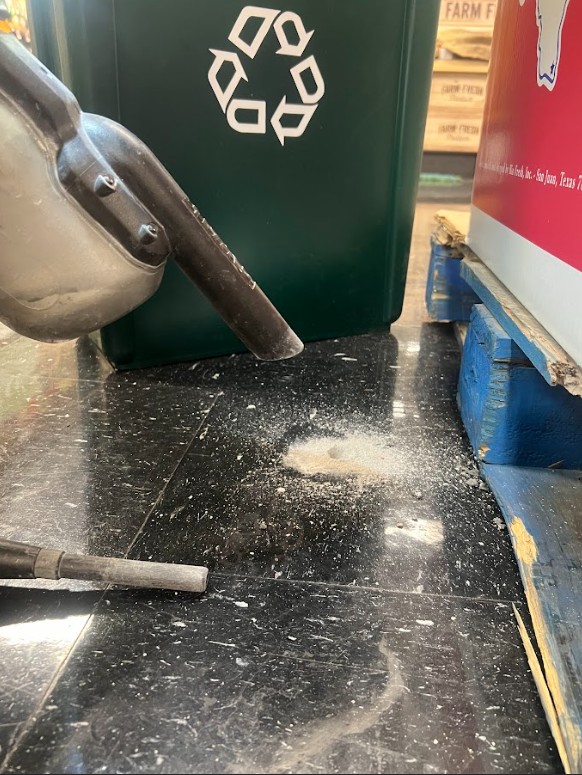
You tested your garage floor for moisture. Good job! But what do the numbers mean for epoxy? It's simple. Look for a reading within the epoxy maker's specs. Skip this, and you waste money.
Most epoxy systems need a moisture vapor transmission rate (MVTR) of less than 3 pounds per 1,000 square feet per 24 hours. Some handle more, some less. Relative humidity (RH) should be below 75%. Higher, and you risk problems.
What if your readings are too high? Don't worry! You have choices. You can use a moisture mitigation system. It's a primer that blocks moisture from rising through the concrete. They cost money, but less than a bad epoxy floor.
If the readings are a little high, you might get by with extra surface prep. Really grind the concrete to open the pores and let it breathe. But if you're close to the limit, use a moisture barrier. Always check the epoxy's data sheet. They say what moisture levels work. Ignore that, and the epoxy may bubble, peel, or not bond. Then you restart.
Do you have moisture issues in your garage slab and are considering epoxy? That makes sense. Epoxy looks great and holds up well. But you must address the moisture first, or the epoxy will peel. Seriously.
There are a few ways to handle this. Moisture barriers are a big deal. Think of them as a waterproof sheet you lay down before the epoxy. They work well for floors with high moisture readings. Then you have sealants. Sealants get into the concrete and create a chemical barrier. They work better for floors with lower moisture levels.
Dehumidification is another option. You are drying out the concrete slab itself. You can use strong dehumidifiers for that. This is often used with a sealant or barrier, especially if you are in a humid place.
The right method depends on how damp your floor is and its condition. A cracked, old slab might need more than just a sealant. Get your floor tested. It will save you trouble later.
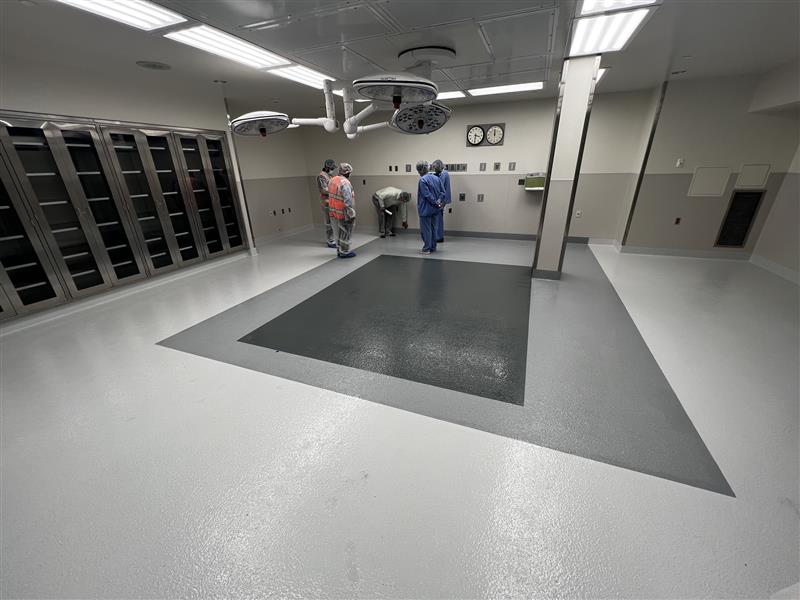
Let's discuss what happens when you skip moisture testing. Here is a scenario: A homeowner in Littleton wanted to upgrade his garage with an epoxy floor. He skipped the moisture tests, thinking it was an unnecessary expense. This was a big mistake.
Six months later, the epoxy started bubbling and peeling. Why? Moisture was rising from the concrete slab, which undermined the bond between the epoxy and the concrete. The fix was not cheap. First, they had to remove all the failed epoxy, which is labor-intensive. Then, they had to prepare the concrete, let it dry, and re-apply the epoxy.
The total cost reached about $5,000. This includes the initial cost of the failed epoxy. Plus, the garage was unusable for weeks. Moisture testing would have cost a few hundred dollars. That small expense could have prevented this disaster. It’s a small price that helps you avoid a major headache and a bigger bill. Don't make the same mistake.
Want to coat your garage floor with epoxy in Denver? Good idea. Before you hire someone, ensure they understand moisture. Concrete is porous, and too much moisture can ruin an epoxy job. It can cause bubbles and peeling.
How do you pick a good contractor? Experience matters. How many garage floors have they done, especially in Denver? Our climate can be tricky. Certifications also matter. Look for resinous flooring certifications from groups. That shows they learned the right methods.
Read reviews. See what Denver homeowners say about their work. Check Google, Yelp, and the Better Business Bureau. Happy customers are a good sign. Also, get a warranty. A warranty means the contractor supports their work and will not disappear if problems arise.
Ensure they explain their moisture testing. Do they use meters to measure the moisture vapor emission rate? What is their plan if they find high moisture levels? Do they know how to apply moisture barriers before the epoxy? If they cannot answer these questions, find someone else. You are making an investment, so protect it.
Let's answer some common questions about moisture testing, epoxy installs, and how to keep your garage floor in good shape.
How long does moisture testing take?
A calcium chloride test often takes 24-72 hours for a reading. Electronic meters offer faster results, but the calcium chloride test is more accurate.
What if my floor fails the moisture test?
If your concrete has high moisture, don't apply epoxy! It won't bond well, which causes bubbles and peeling. Find the moisture source and fix it. You might need to improve drainage or add a vapor barrier. Retest after you fix the issue, and then apply epoxy.
Can I apply epoxy in a humid environment?
Much humidity can change how epoxy cures. Apply epoxy when humidity is less than 70%. Check what the manufacturer suggests for your product. The epoxy might not cure right if it's too humid, and the finish could be sticky or cloudy. Use dehumidifiers and fans to manage the environment while you apply and cure the epoxy.
If moisture testing reveals elevated levels, remediation steps are necessary before epoxy installation. Options include applying moisture vapor barriers, improving ventilation, or using dehumidifiers to reduce moisture content. Addressing moisture issues ensures proper epoxy adhesion and a successful, long-lasting garage floor coating.
Moisture testing is a crucial step before applying epoxy coatings to garage floors. Excessive moisture can interfere with the epoxy's adhesion, leading to bubbling, peeling, and eventual coating failure. By conducting thorough moisture tests, potential issues can be identified and addressed proactively, ensuring a long-lasting and durable epoxy finish.
Several methods exist for assessing moisture levels in concrete garage floors. Calcium chloride tests measure the rate of moisture vapor emission, while electronic moisture meters provide instant readings of moisture content. These tests help determine if the concrete is sufficiently dry to support epoxy application.
Skipping the moisture test is like building on sand. It might look good at first, but it will cause problems. We've seen epoxy floors bubble, peel, or fail early. Usually, someone skipped this step.
The big idea here is that moisture testing isn't optional. It's part of a good epoxy floor install. The epoxy and installer can be great, but too much moisture ruins everything.
So, what's next? Put moisture testing first. Talk to your installer. Make sure they use the right tools and follow good methods. It's a small cost that saves headaches and money. It's worth it. A great garage floor starts with dry concrete. Don't skip this step.
Want to prep your garage floor for epoxy? Get a quote for a moisture test today! Let's start your project right.